Showing posts with label animal feed. Show all posts

Saturday, April 26, 2025

Unlike Honeybees, Why Does the Development of Energy Plantations Get Little Attention from the Goat/Sheep and Cattle Livestock Industry?

Along with the global decarbonization trend, energy plantations are increasingly developing in Indonesia. The creation of these energy plantations has the main purpose of producing biomass fuels such as wood chips and wood pellets. Wood chip production because it is easier and the production equipment is easier and cheaper is usually done before wood pellet production and for more details can be read here. In addition to the use of wood as the main product of energy plantations, by-products that can be produced from energy plantations are animal feed from the use of leaves and honey from honey bee farms. And with the utilization of all parts of the tree (whole tree utilization), the energy plantation-based business is not only more profitable, but can also remain sustainable.

The honey production that can be produced from the development of energy plantations will also be very large, namely tons or even hundreds to thousands of tons in proportion to the area of ​​the energy plantation. Moreover, the plants cultivated are red calliandra whose nectar will produce one of the best quality honey. Regarding the development of the energy plantation, even API (Indonesian Beekeeping Association) responded optimistically to the development of the energy plantation, because in the next 5 years it is targeted that honey production will increase by 300% so that the import of tens of thousands of tons of honey from China can be reduced and even be sufficient, more details read here. In addition to honey, several derivative products will also be produced from honey bee farming, namely royal jelly, bee pollen, bee wax and bee venom which also have many benefits. The motto "Gertakanlah" namely the Bee Feed Planting Movement is very much in line with the development of this energy plantation.

But this condition is different from the world of animal husbandry, especially ruminant livestock, namely goats/sheep and cattle. In fact, Indonesia's meat needs are also very large, most of which are still met by imports. Unlike beekeeping which is responsive to the development of the global decarbonization trend, namely more specifically with the energy plantation, the world or livestock industry players have not responded to this, even though the production of feed from this energy plantation will also be very large. Even the main element of animal feed from red calliandra leaves is protein and protein is the most expensive element of animal feed nutrition. In addition, with this livestock, it is also possible for integration to occur as in the diagram above. Integration will provide optimal benefits and production becomes efficient, thus providing even greater benefits.  

Export of Sheep and Animal Feed Pellets to Algeria

Algeria plans to import up to 1 million sheep to meet the needs of Eid al-Adha. This is because domestic demand is large while domestic supply is insufficient. This is because in recent years there has been a drought, which has resulted in a shortage of animal feed and an increase in feed costs. And because animal feed is a major component in the livestock sector, the shortage of feed and the increase in feed costs will have a major impact on the sheep products that produce meat. The price of sheep and lamb meat has become very high. By choosing to import in large quantities, the government aims to overcome the shortage of supply in the market and suppress the sharp increase in livestock prices.

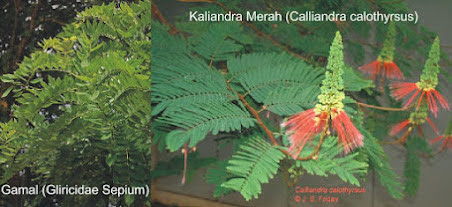
Indonesia has the opportunity to become an exporter of these sheep. As long as feed is available, sheep farming will not experience significant obstacles. These sheep feeds can be attempted in many places in Indonesia, even with a tropical climate, producing sheep feed should not be difficult. Moreover, currently a number of energy plantations have been created with these energy plantation plants also producing animal feed from their leaves such as calliandra and gliricidia. The area of ​​these energy plantations which reaches tens of thousands of hectares will also produce a lot of sheep feed. It is also possible to export feed pellets in the form of these leaf pellets, and while the wood from these energy plantations is used for the production of wood pellets. 

Source : Hidayatullah


Wednesday, May 31, 2023

Pioneering the Export of Hay from Energy Plantation Leaf Waste

The high demand for feed, especially protein elements in Europe, on the other hand, is an opportunity in itself. Leaf waste from energy plantations in abundant quantities can be used as an export commodity to fill this opportunity. These leaves can be processed into hay and then compacted (biomass densification) into large boxes (cubes) and ready for export. Under tropical climate conditions, biomass production, especially for renewable energy, feed and food through energy plantations, is an ideal solution. Wood product will be used as bioenergy, especially into wood pellet product, leaf as an export commodity for animal feed, and honey as a highly nutritious multi-functional food. Millions of hectares of potential land for the creation of energy plantations so as to maximize the benefits of land use, especially with the tropical climate conditions that support.

Learn from the state of Oregon in the United States which is successful as an exporter of hay grass as a source of fiber in animal feed. It is recorded that more than 900,000 tons per year export hay grass from Oregon to the destination countries, namely Japan, Taiwan and Korea. The business has been around for more than 30 years. The mechanization of agriculture and the use of modern agricultural techniques have helped the business grow. A number of grass species that they cultivate include annual ryegrass (Lolium multiflorum), perennial ryegrass (L.perenne), bent grass (Agrostis spp.), fine fescue (Festuca spp), Kentucky blue grass (Poa pratensis), Orchard grass (Dactylis glomerata) and tall fescue (F.arundinacea). 

The difference between hay and dry straw (straw) is sometimes still confusing. Hay is made from fresh stalks, leaves and shoots of plants. Many plants can be used as hay, for example in Iowa, USA alfalfa and clover are most commonly used. If it is cut and packaged (compacted) almost all of the nutritional content is not lost and is used as animal feed. Meanwhile, straw is also made from the stalks and leaves of plants, but is cut after the plants are mature with their shoots or the fruit has been harvested for something else. This straw has very little nutritional value and is used primarily as animal bedding. The conditions for plants to make hay are fine textured, harvested at the start of the flowering season and harvested from fertile areas.

Hay production is carried out by cutting the forage (grass or leaves) then withering and drying the forage, then to facilitate storage, transportation and use, the hay needs to be compacted. Animal feed in dry form such as hay will make it able to hold out until the nutrients are maintained. The history of hay production is thought to date back to the late 19th century, when alfalfa was introduced to Iowa and became the most popular crop for hay production. Alfalfa itself comes from Central Asia which was first used for animal feed and then this alfalfa spread to various parts of the world. Legume leaves from energy plantations are also very potential as animal feed and processing them into hay will increase their utilization including their economic value. In the commercial hay industry modern mechanical devices are used primarily for compaction by making blocks or boxes with a high production target, as shown in the video in the following link here.


Thursday, March 24, 2022

Dichotomy of Energy Plantation and Legumes Plantation

There is a dichotomy between friends in livestock and forestry today about these legumes. From animal husbandry, they see leaves as a source of feed protein from plants and from forestry, they see wood as a source of wood that is easy to cultivate with high productivity. In the forestry sector, the wood is usually used as a renewable energy source such as wood chips, wood pellets, wood briquettes or charcoal briquettes. Forestry grows thousands of hectares of these legumes such as gliricidia with a wood orientation while the leaves are considered a by-product or waste from their plantation side. By utilizing the wood and leaves, it means getting out of this dichotomy, creating a new paradigm and being able to overcome food and energy problems or optimize the legume plantation or energy plantation (whole tree utilization) of thousands of hectares.

In addition to functioning as a legume plantation for animal feed, especially ruminants (sheep, goats, cattle, buffalo), as well as biomass fuel as above, the same plantation can also be used as a raw material for synthetic fiber board, for more details, please read here . Meanwhile, as the bioeconomic era is getting closer, the need for bioenergy, especially wood pellets, is increasing, the need for animal feed, especially ruminants which is part of the chain of human food needs is also increasing and indeed the growth of the earth's population is also increasing, and the need for biomaterials such as synthetic boards is also increasing. Therefore, the establishment of energy plantations or legume plantations or biomass plantations is very important, strategic and multi-beneficial. Based on these conditions, it is not impossible that in the near future the plantation will become a national and even global trend.

Thursday, November 25, 2021

Hay Production Urgency


In countries with four seasons, in winter, plants grow very slowly and even stop growing, so hay is used as a feed supplement, while in Indonesia in the dry season, grass is also limited forage, so to maintain livestock performance, additional feed such as hay should be used. By making hay, animal feed becomes durable so that it can be used as a source of feed when supply is reduced. Dry and compacted conditions make hay easy to store and use. In breeding-oriented farms, the quality of feed is usually not as good as in fattening-oriented farms. Breeding duration is longer than fattening is one of these considerations, because feed is the highest cost component in livestock business.

Due to various factors such as geography and labor conditions, a number of countries even have to import animal feed, especially the hay. The United States, for example, exports no less than 700,000 tons of hay annually to Japan, Taiwan and Korea. Leaves of leguminoceae such as indigofera, calliandra and gliricidia are potential sources of ruminant feed for the production of hay. Besides being planted specifically for the production of hay, these legumes can also be used as energy plantation or biomass plantation. The integration of energy plantation or biomass plantation with livestock businesses, especially the production of animal feed in the form of hay product, is a very interesting combination.

In addition to the export market, the domestic or local market is no less interesting. Areas with large areas of land can be used as centers for hay production, which is then distributed to a number of ruminant livestock centers. Hay is dry and compacted (densified) so that it is easy to distribute even over long distances. This is different from silage, which is wet, so it cannot be compacted like the hay. With the fulfillment of feed, the performance of ruminant livestock business can be maintained. In energy plantation or biomass plantation, wood can be processed into energy products such as wood chips, wood pellets, wood briquettes and sawdust charcoal briquettes, or non-energy products such as particle board. That means all parts of the tree can be utilized.

Saturday, September 11, 2021

Utilization of Marginal Land and Former Coal Mines for Ruminant Livestock and Charcoal Briquette Production

Photo is taken from here
The extent of marginal land including critical land and unused land which reaches more than 6 million hectares as well as ex-coal mining land which is estimated to reach 8 million hectares are environmental problems that must be overcome. Turning these lands back into productive land so that apart from preventing a bigger environmental disaster, it also provides other benefits for human life. One solution to this problem is to plant the land with pioneer plants of the leguminoceae group whose roots firmly grip the soil and are in symbiosis with azetobacter so that it fertilizes the soil such as calliandra and gliricidia as well as its leaves as a source of animal feed, flowers for honey production, and the wood for the production of charcoal briquettes. Or in other words, the establishment of the plantation besides having environmental benefits as an effort for conservation and land reclamation along with water conservation, of course, also provides benefits for ruminant livestock or the production of animal feed and the production of charcoal briquettes. Ruminant farms, namely sheep, goats and cattle, are very suitable to be developed using the leaves of the plantation. The combination with charcoal briquettes, namely by using the wood, is an ideal combination or integration. In a number of countries the charcoal briquettes are used as fuel for grilling BBQ from lamb, goat and beef. So in addition to all parts of the tree can be utilized also even the final product of livestock in the form of meat and wood processing so that it becomes charcoal briquettes also meet again. An interesting and unique blend or integration.

The need for red meat, namely lamb, goat and beef in the country itself is still lacking, so it requires an adequate supply. In terms of goat and lamb meat, the need for the Jabodetabek (Jakarta, Bogor, Depok, Tangerang and Bekasi) area alone has not been met, so it is supplied alternately from East Java, Central Java and Lampung alternately. In addition, according to Aspaqin (Association of Indonesian Aqiqah Entrepreneurs) there has been an imbalance in the supply of sheep and goats due to the large number of female productive sheep and goats being slaughtered. This condition causes the sustainability of the supply of sheep and goats to be disrupted. According to data from Aspaqin that they collected, 63% of female sheep and goats were slaughtered from a total of 331,693 slaughtered tails. Of course there are still many who are not recorded because there are still many aqiqah entrepreneurs who are not members of the Aspaqin. In addition, there are also many stalls for eating goat dishes, such as satay stalls which still slaughter productive sheep and female goats. Aspaqin continues to strive for education and socialization to improve these conditions, including a proposal to provide punishment for the slaughter of these productive females.

Meanwhile, in the beef cattle sector, Indonesia has the advantage of fattening cattle (feedlot). With the availability of a lot of agricultural wastes and agro-industrial wastes in Indonesia, this business is very competitive, even indonesia is the best. Moreover, this is by creating a plantation that is specifically designed for the feed source by utilizing land that can be said to be unproductive at first. By only taking about 100-120 days, the fattening was successful or completed, although in general, breeder or seed cattle are generally still imported from Australia. Australia, especially northern Australia is the center of the seed cattle. With the vast grazing area there, the cost of producing feeder cattle is very competitive and cannot be done well in Indonesia. Although there are a number of discourses to produce seed cattle in eastern Indonesia and palm oil plantations, the facts are still not or are still very minimal. In addition, according to Gapuspindo (Indonesian Beef Cattle Farmers Association), the domestic demand for beef has not been met or there is still a shortage of around 60% and this shortage is filled by imports of buffalo meat from India. Buffalo meat from India actually has to be sold cheaper than beef, but in fact it is the same as beef. This condition is getting worse, especially in the period leading up to the Eid al-Fitr holiday with lots of illegal meat circulating, such as wild boar meat.

Charcoal briquettes are a product of wood processing from the plantation. The production of charcoal briquettes using wood raw materials must also be managed properly so that it can be sustainable. The important thing to note is that the harvest of wood for the production of charcoal briquettes should not exceed the production of wood from the plantation itself, for example the need for wood for the production of briquettes is 1000 tons / month, the speed of wood production from the plantation is at least the same as the wood harvested every month. Charcoal briquette production techniques are also available in 2 options or routes such as the scheme below. However, route 1, which is briquetting before carbonization, is more in demand because the quality of the briquettes produced is better. In this route, the wood biomass raw material has been downsized so that the particle size is suitable for the production of the briquettes and the dryness level has also been adjusted and then briquetted or pressed in a briquette machine without using additional adhesive. The briquette product is then carbonized so that it becomes the final product in the form of charcoal briquettes or commonly known as sawdust charcoal briquette.

Photo is taken from here
In addition to domestic consumption, sheep and goats are also export commodities to a number of countries. Information obtained from the Ministry of Agriculture's Pusdatin (Centre of datas and informations) that Indonesian sheep and goats have been exported, among others, to Malaysia and the United Arab Emirates (UAE). Basically, the choice to do sheep and goat export business is the choice of the breeders or farmers  themself and the specifications for the export market are also different for local needs. If the local market generally uses sheep and goats weighing 25-35 kg per head, the export market generally requires a weight above 35 kg per head. For example, for a large market for sheep and goats, Saudi Arabia, especially during the hajj season, reaches around 2 million heads or a quarter of the country's needs, which means it reaches 8 million heads per year.

And lastly, basically the need for food, especially animal protein and more specifically from ruminants sheep, goats and cattle will continue to increase along with the increase in the population itself. The world population is estimated to reach 10 billion in 2050 or 1.3 times today and Indonesia's population will reach 319 million in 2045 or 1.2 times from today. Another thing that deserves attention is Indonesia's demographic bonus. The demographic bonus with the dominance of the productive young generation should be a separate strength for the Indonesian nation if it is supported and directed properly. This sector is certainly one solution. With the vast land area in Indonesia that can be used for this business, God willing, it will overcome various important problems today such as food security, preventing environmental damage, creating jobs, improving living standards, improving food quality and so on.

Wednesday, June 30, 2021

Opportunity to Export Animal Feed Protein Sources to Europe

Meat and milk are sources of protein for human obtained from animals, especially ruminants, then meat and eggs from poultry and meat from fish. Availability of sufficient animal protein is needed. Protein deficiency will be bad for health. The livestock industry plays an important role for the adequacy of animal protein today. To produce animal protein in the form of meat and milk, a protein source, namely vegetable protein, is needed in the feed source for the ruminant livestock. Gliricidia and calliandra leaves from energy plantations are a source of protein for the ruminants (sheep, goats and cows). The development of energy plantations should also encourage the livestock industry. This is important for the makers or entrepreneurs of the energy plantation to understand.

Learning from European conditions, according to a study conducted by FEFAC (European Feed Manufacturers' Federation), there is a protein deficit condition in the feed industry sector in Europe and for that they have made a number of efforts to obtain environmentally friendly feed protein sources and sustainable. Deficit is a condition where the consumption or use of protein for the feed has exceeded its production. This means that European production in the form of protein sources for animal feed is still far from its needs so that imports cannot be avoided as a result. Although it is estimated that they will not be able to replace 100% of feed protein sources by one mean alone, which as long as most are imported but reducing this dependence with local production of feed protein would be very helpful. Another motivation is to reduce dependence on protein sources from transgenic materials (GMOs), namely soybean.

Their first effort was the use of PAP (processed animal protein). The use of PAP is indeed high in nutrition, and the source of PAP for the feed is chicken and pork. Although a rule has been made that chicken PAP is not allowed to feed chickens and pork PAP is not allowed to feed pigs plus a tool to detect it, in practice this is difficult to be implemented. This is because feed mills that operate are generally multi-purpose feed so that it can be used for various types of livestock. Very few feed mills make specialty feeds. In fact, if it occurs, for example, PAP chickens for chicken feed and PAP pigs for pig feed, then a disease may occur in the livestock. An example is in the case of mammalian meat and bone meal (MBM). In 1996 with the crisis of Bovine Spongiform Encephalopathy (BSE) because it was related to feeding from MBM for ruminant feed. The BSE-infected meat causes Creutzfeldt-Jakob disease in humans, which poses a high risk to the human food chain. After the epidemic spread, the use of MBM in animal feed was banned. This regulation causes a high dependence on imported raw materials such as soybean meal for the continuity of the supply of meat, milk and eggs.

The second effort is protein production from insect farming. Although it can be done and a number of insect species have also been approved, the fact is that currently there are very few insect farms there, so it will still take a long time to produce sufficient volumes as a source of protein in animal feed. The source of protein from these insects is mainly for fish feed. The third effort from energy plantations is from rapeseed trees. Rapeseed meal is another source of vegetable protein. But the availability of rapeseed meal depends on European biofuel policy. Canola oil is the raw material for biodiesel in Europe. The European biofuel policy is contained in the Renewable Energy Directive 2020-2030 where the contribution of biofuels from plants for the target use in the transportation sector is up to a maximum of 7%.

The fourth effort from the rejected and expired products of the food industry. The rejected and expired products of the food industry it’s mean from the food and food ingredients industries, such as the biscuit industry, instant noodles, chocolate bars, pasta and so on. But what is meant is not food waste from restaurants, or catering. EFFPA, the European Former Foodstuff Processing Association estimates that in the European Union around 3.5 million tons of food waste is processed into animal feed every year. The European Union encourages the use of rejected and expired food, including issuing guidelines to reduce food waste to become feed, because it is not fit for human consumption. They have also discussed protein sources from micro algae or single-celled plants, but they are not a priority at this time due to quality and some limitations. 

The importance of realizing the potential as well as improving the vision for optimizing the energy plantation. GMO problems, for example, the use of gliricidia leaves can be the solution, for more details read here. “Quality protein” is important because not all proteins are equal. Several parameters for protein quality are the amino acid profile and the absence of anti-nutritional substances. For example, soybean meal has high scores for all protein quality parameters including palatability, digestibility and safety. A case that can also be used as a reference, in 2007 there was a withdrawal of pet food because it was contaminated with melamine and cyanuric acid (which is high in nitrogen content and identified as crude protein) in protein elements that cause kidney failure. 

The use of nitrogen from the above chemical is also carried out in agricultural products and has also led to the withdrawal of agricultural products from China in South Africa, the European Union and the United States. Even America ordered the USDA to inspect all agricultural products from China. In 2008 and 2009 China focused on eliminating the problem of counterfeiting or mixing and the effects of the crisis. In 2010 a revised version of the feed and feed additive regulations was published to further ensure quality and safety. Even though China is the largest feed producer in the world, the need for feed raw materials still relies on imports, especially flour/soybean meal to support food needs in the form of meat, milk and eggs for around 1.3 billion people.

From a number of efforts by the European Union to plan for self-sufficiency in feed protein sources, it turns out that the source of protein from rapeseed energy plantataions has become a European priority at this time. Meanwhile, with Indonesia's condition which has a large area of land, there are many energy plantations that can be created, even the Ministry of Environment and Forestry has planned 12.7 million hectares for energy plantations as an effort to support the cofiring program at coal power plants in Indonesia more detail read here. Energy plantation by-products will also be abundant. The production of this leaf can be used as an export commodity to Europe, because the need is large. Animal feed production in Europe is estimated at 160 million tons per year or 16% of the world with 5000 units of feed factories. With the consumption of protein in the feed in the range of 30%, the need will reach 48 million tons. When the domestic feed industry has not been able to absorb it, export is the best choice.

Ruminant is herbivore so that their diet comes from plants, the case of MBM in Europe can be a valuable lesson that feeding from mammals actually creates new problems. Moreover, if the food category is najis, then the livestock will become jalalah which are prohibited (haram) to be consumed. Meanwhile, the case of mixing with hazardous chemicals that occurred in China with melamine and cyanuric acid is only to trick the protein content so that it looks high and is also harmful to the health of the human body. Islam is very concerned about food or food issues, even in the Qur'an Letter of 'Abasa: 24, Allah commands humans to pay attention to their food. The food that enters our stomach must be halal and thoyyib (good). Foods that contain harmful substances that can poison the body are not thoyyib foods. And one of the consequences of haram (prohibited) food is a barrier to prayer being answered.

Sunday, June 6, 2021

7 Largest Animal Feed Factories in the World

Since animal feed became a trade commodity or commercial product starting in the early 1800s when the means of transportation and propulsion of agricultural equipment mainly used horses and donkeys, a number of animal feed providers began to emerge such as Cargill, ADM, Purina and Ridley. In that era, the science of animal feed nutrition became a scientific discipline, starting in 1810 a German scientist named Albrecht Daniel Thaer developed the first animal feed standard by comparing the nutrients of various types of hay. Around 1900 the hammer mill was first used followed by the horizontal batch mixer in 1909. The early 20th century saw many advances in the use of technology for animal feed but the most noticeable and dramatic progress was when Purina introduced feed pellets in the 1920s. With this pelletization, the powder is less favorable to livestock (unpalatable), the different densities become easier to use and increases uniformity. This pelletization technique was quickly in demand by many feed producers so that in 1930 there were a number of feed factories that specialized in the production of these feed pellets. In 1944 L.A. Maynard published a table of nutritional requirements for livestock and laboratory animal husbandry. The table of nutritional requirements then becomes the world standard for feed formulation to date including ruminants such as sheep, goats and cows. In the late 1950s progress and specialization continued in the feed industry. In addition, the production capacity is also getting bigger, even in the 1970s the range of animal feed factory capacity was between 200 - 500 thousand tons per year. Currently there are about 30 thousand feed factories around the world with a production of more than 1 billion tons every year, and the 7 giant animal feed factories are as follows: 


1.Charoen Pokphand (27 million tons / year)   

Charoen Pokphand's business started in 1921 when two Chinese brothers Chia Ek Chor and Chia Siew Whooy set up a Chia Tai Chueng shop and did business in plant seeds and vegetables from China and exported pork and eggs to Hong Kong. Currently, Charoen Pokphand, based in Bangkok, is the largest Thai conglomerate and also one of the largest conglomerates in the world. The company has 8 business lines covering 13 business groups including the largest retail business in Southeast Asia (Seven Eleven), telecommunications (True), hypermarkets (Siam Makro) and automotive (Dayang Motor). By 2020 this business group has invested in 21 countries. Charoen Pokphand's animal feed production began in 1978 and is currently the world's largest producer of animal feed and shrimp products, as well as the world's top three for poultry, pork and a number of agricultural products. 


2. New Hope (20 million tons / year)

New Hope was founded by Liu Yonghao in 1982 and is also the current managing director. Before founding New Hope Liu Yonghao was a teacher at a technical school and with his three siblings started farming quails and chickens. Today New Hope is China's largest animal feed producer. Apart from New Hope, Liu Yonghao also does business in banking and is the founder of a shareholder in China Minsheng Bank. Currently, New Hope is mainly engaged in the agricultural, livestock and food processing sectors, with a production of 20 million tons of animal feed, processing 1.3 billion chickens and 8 million pigs annually. The company operates in 30 countries including Vietnam, Philippines, Bangladesh, Indonesia, Cambodia, Sri Lanka, Singapore and Egypt. 


3.Cargill (19.2 million tonnes / year)

Cargill was founded in 1865 or about 156 years ago in the United States by William W. Cargill with headquarters in Minnetonka, Minnesota. A year after his birth, his brother Sam joined to form W.W. Cargill and Brother. In 1875 another of James's brothers joined the company. In 1898, John H. MacMillan, Sr., and his brother, Daniel, began working at W. W. Cargill. MacMillan later married William Cargill's eldest daughter, Edna. Today Cargill is still a family company, with the descendants of the founders (from the Cargill and MacMillan Families) owning 90% of the company and is Cargill's largest private company by revenue in the United States.

Some of Cargill's main businesses are trading, purchasing and distributing grains such as wheat and other agricultural commodities, such as coconut oil; trade in energy, steel and transportation; livestock breeding and feed production; as well as producing food ingredients such as starch and glucose syrup, vegetable oils and fats for use in instant food and industry. Cargill also has a financial services business, which manages Cargill's financial risk in commodity markets. Cargill operates in 66 countries and is the largest poultry producer in Thailand. 


4.Purina Animal Nutrition (12 million tonnes / year)

Purina Animal Nutrition was founded in the United States by William H. Danforth in 1894 with the production of a variety of animal feeds under the name Purina Mills. The animal feed produced at that time included horses, dogs, cats, rabbits, pigs and monkeys. In 1902, William H. Danforth with Webster Edgerly, a university professor who founded Ralstonism, who at that time produced breakfast cereal, founded the Ralston Purina company. In 1986 Ralston Purina sold the Purina Mill, the animal feed business for the American market, to British Petroleum and retained its international pet feed and animal feed businesses. In 1993 Sterling Group purchased Purina Mill and in 1998 it was purchased by Koch Industries, but the U.S. the bankruptcy court canceled all of Koch's rights to manage the survival of the company. Lastly Purina Mills was purchased by Land O'Lakes in 2001. 


5.BRF (11 million tons / year) 

BRF S.A. is a Brazilian company which is a merger between Sadia and Perdigao, the two main feed companies in Brazil. Currently BRF is one of the largest feed companies in the world with more than 30 brands in its portfolio, including Sadia, Perdigao, Qualy, Paty, Danica and Bocatti. BRF products are marketed in more than 150 countries in the world. BRF has more than 50 factories in 8 countries namely Argentina, Brazil, United Arab Emirates (UAE), Netherlands, Malaysia, UK, Thailand and Turkey. In Brazil, BRF has more than 30 factories and 20 distribution centers, while overseas operates 9 factories in Argentina, one unit in the UK, one unit in the Netherlands, five in Thailand, one in Malaysia, one in the UAE, and five in Turkey. with the support of 27 distribution centers. The animal feed products produced by BRF are for chickens and pigs. 


6.Tyson Foods (10.3 million tonnes / year)

Tyson Foods is a public trade company from the United States whose main business is in the animal feed industry with headquarters at 2200 Don Tyson Pkwy., Springdale, Arkansas. Tyson Foods is also the world's largest company and marketer after JBS S.A based on chicken, beef and pork. The company was founded by John W. Tyson in 1935 and from its founding until his death in 1967 he served as its managing director. Tyson started out in the chicken market when he heard that chicken in northern America was more expensive than where he lived in Arkansas. In 1936 Tyson brought 500 chickens from his home to Chichago, Illinois and made quite a fortune. Since that success he started raising chickens and making feed for them. Currently Tyson Foods operates in 10 countries with products spread across five continents in the world. 


7.COFCO (8.3 million tons / year)

COFCO (China Oil and Foodstuffs Corporation) is a Chinese state-owned company which was founded in 1949 and is the largest food processor and marketer in China today. COFCO is also one of the leaders of the Asian agribusiness group alongside Wilmar International. Between 1952 and 1987 (35 years), COFCO was the sole importer and exporter of agricultural products under the direct control of the central government. COFCO has a number of production sites in China, as well as in countries such as Japan, the United States, United Kingdom, Australia and Canada.

Soon it is estimated that the era of bioeconomy will become a trend and lifestyle in the world so that the issue of sustainability becomes very important. Bioeconomy itself can be defined as knowledge-based production and using biological resources or living things to produce products, processes and services in the economic sector within the framework of a sustainable economic system. With a Muslim majority population, Indonesia should have developed many bioeconomic models that are in line with Islamic values. This is because bioeconomy will also be related to food and clothing issues which in Islam are very clearly related to the issue of halal and haram. Not only that, of course, the model is also optimized so that it can bring prosperity to the people as much as possible and provide solutions to a number of major problems faced. Islamic economics that have not become mainstream in Muslim-majority countries is one of these big problems. Practically feed and animal husbandry products must be in line with the halal industry so as to provide blessings in the life of the world and the hereafter, not only seeking profit but justifying any means. 

Learning the History of the World Animal Feed Industry

The ability to create a stable supply of food from livestock led to the world's population developing, community centers developing and cities emerging. The domestication of wild plants and livestock, as well as the use of irrigation and tillage tools, has resulted in a growing population. When the human population is increasing and many people live in urban areas, livestock and agriculture are increasingly organized, efficient and productive with the use of technology and various innovations. The science of animal feed nutrition became a scientific discipline starting about 200 years ago. In 1810 the German scientist Albrecht Daniel Thaer developed the first animal feed standard by comparing the nutrients of different types of hay. This was followed by a number of discoveries related to animal feed nutrition such as proximate analysis systems, feed standards based on digestible nutrients, vitamins and minerals needed by livestock, until 1944 L.A. Maynard published a table of nutritional needs for livestock and laboratory animal husbandry. The table of nutritional requirements then becomes the world standard for feed formulation to date including ruminants such as sheep, goats and cows.

Animal feed into a trade commodity or commercial product began in the early 1800s when the means of transportation and moving agricultural products mainly used horses and donkeys. Horse farm and breeding is an important thing. Horse stops as resting places are made along the route between cities as public facilities or similar to gas stations at this time. One of the important things in this resting place is the provision of quality feed for the horses, such as hay, seeds and so on. This has sprung up a number of businesses providing horse and donkey feed, and a number of feed companies that exist today such as Cargill, ADM, Purina, and Ridley started here, even though at that time the use of scientific feed formulations was very minimal.

Horse stopping and feeding station in the 1800s
 

Feed mills in America are built adjacent to grain mills, even many industries have been engaged in grinding the grain is also involved in the feed industry. The animal feed industry uses by-products or waste from grinding these grains. The first animal feed mills were made by adding a number of nutrients to the byproducts of wheat flour. The use of technology and mechanization is also increasing in number to achieve feed products with uniform quality and efficient production processes. Around 1900 the hammer mill was first used followed by the horizontal batch mixer in 1909. The early 20th century saw many advances in the use of technology for animal feed but the most noticeable and dramatic progress was when Purina introduced feed pellets in the 1920s. With this pelletization, the powder is less favorable to livestock (unpalatable), the different densities become easier to use and increases uniformity. This pelletization technique was quickly in demand by many feed producers so that in 1930 there were a number of feed factories that specialized in the production of these feed pellets.

Around 1940 and 1950 the formulation of feed was more complex with the addition of vitamins and minerals. In the late 1950s progress and specialization continued in the feed industry. In addition, the production capacity is also getting bigger, even in the 1970s the range of animal feed factory capacity was between 200 - 500 thousand tons per year. Meanwhile, large farms choose to make their own feed to make it more competitive. The use of automation in feed mills began in 1975 and continues to evolve to minimize feed costs and maximize efficiency in the production process. The technology and software for the production process continue to develop, including the logistics of various feed ingredients, size characteristics, the pelletization process, the extrusion process, and many other things in production.

Meanwhile, the development of the animal feed industry in Europe is more or less imitating the existing development pattern in America. Grain processing and milling technology advanced rapidly in the 19th century. In an effort to accelerate the development of the animal feed industry in Europe, in 1959 Belgium, France, Germany, Italy and the Netherlands formed the European Feed Manufacturers' Federation (FEFAC) as an organization for the feed industry in Europe. FEFAC has a mission to unite the feed industry and establish communication and cooperation in the European region. Even though it was quite successful in this effort, FEFAC experienced quite horrendous problems, namely in 1996 with the Bovine Spongiform Encephalopathy (BSE) crisis because it was related to feeding derived from mammalian meat and bone meal (MBM) or bone meal and mammalian meat for ruminant feed. Meat infected with BSE causes Creutzfeldt-Jakob disease in humans, which creates a high risk to the human food chain. After the outbreak spread, the use of MBM in animal feed was prohibited. This regulation causes a high dependence on imported raw materials such as soybean meal for a sustainable supply of meat, milk and eggs. Learning from this, FEFAC in the 21st century has a focus on feed and food safety initiatives. The organization took initiatives to be globally enforceable, such as in 2001 banning the use of MBM, in 2006 banning antibiotics in feed, legislation related to nitrates in livestock manure, and the use of GMO raw materials (GMOs).

Brazil is a country in South America that is quite developed in the animal feed industry and is currently the third largest supplier of animal feed in the world. Interestingly, commercial feed production in Brazil was only practiced in the 1960s. The development pattern of the animal feed industry in Brazil uses the same model as in America and Europe, namely the companies involved in milling and processing grains such as wheat and maize were also the first to be involved in the animal feed industry. The first wheat bran was built in the 1940s. Currently in Brazil, part of the feed industry is integrated with its livestock, or about 80%, which means that the feed manufacturing industry is also the same industry as the livestock. Another interesting thing is that Brazil also ranks second in the world for the pet feed industry, even though this industry was almost non-existent before the 1990s. Brazil has abundant production of maize, soybeans and other commodities which greatly support the animal feed industry.

China is the largest animal feed producer in the world, accounting for nearly 20% of the world, followed by the United States (17.4%) and Brazil (6.8%). The history of the animal feed industry in China began in 1930 with the first modern flour mills established and was followed by the use of the mill's by-products for animal feed. Meanwhile, the first modern feed factory was only established in 1949. Furthermore, due to the political uncertainty and slow economic growth and the centralized government, grain production decreased so that most of it was for human consumption. The growth of the feed industry and livestock is also very limited. Changes in political conditions in 1976 made the animal feed industry begin to grow again. In 1977 a comparative study was conducted on the feed industry in France, Japan and America. And in 1984 a draft plan for the development of the feed industry was published with outlines of objectives and strategies for the years 1984-2000.

In the same year (1984) a number of policies were also issued to support the development of the domestic feed industry, such as high export taxes for feed ingredients and milling equipment, tax free for up to 3 years for new feed factories and even tax free if the factory was not yet producing with sufficient profit. The first feed standard was issued in 1996, but due to inconsistent interpretation of the standard, nearly 10% of animal feed tests were substandard in 1998. Even in 2007 there was a withdrawal of pet feed due to contamination with melamine and cyanuric acid (which is high in nitrogen and identified as a crude protein content) in protein elements that cause kidney failure. The use of nitrogen from the above chemical is also carried out on agricultural products as well as the withdrawal of agricultural products from China in South Africa, the European Union and the United States. Even America ordered the USDA to inspect all agricultural products from China. In 2008 and 2009 China focused on eliminating the problem of counterfeiting or mixing and the effects of the resulting crisis. In 2010 a revised version of the feed and feed additive regulations was published to further ensure quality and safety. Although China is the largest feed producer in the world, the need for feed raw materials still relies on imports, especially soybean flour / meal to support food needs in the form of meat, milk and eggs for around its 1.3 billion people.

The source and availability of feed has always been the main orientation for livestock business. From the above history it is clear that large farms were always built close to a source of feed such as mills. The role of the government is also very important to encourage this effort. The high price of factory-produced concentrate can also be a driving force for the growth of large farms adjacent to energy plantations. The protein element in feed, apart from being essential, is also the highest cost element, while feed itself holds the highest cost component in animal husbandry or around 70%. Ruminants are herbivores so their food comes from plants, the case of MBM in Europe can be an expensive lesson that feeding from mammals actually creates new problems. Moreover, if the food category is najis/unclean, then the livestock become jalalah animals which are prohibited from being consumed (haram). Meanwhile, the case of mixing with dangerous chemicals that occurred in China with melamine and cyanuric acid was only to deceive the protein content so that it looks high is also dangerous for the health of the human body.

The momentum of the energy plantation or biomass plantation can be a great momentum for the growth of the ruminant livestock industry as long as it is well prepared. Other feed sources can be obtained from the surrounding environment so that the complete feed composition can be fulfilled. Bran from rice mills are also not difficult to find in Indonesia because the staple food of the majority of Indonesia's population is rice. Rice fields for rice farming are almost everywhere, so are the rice mills. Other sources of grasses such as elephant grass, benggala grass and so on as a source of fiber or agricultural wastes such as straw, peanut leaves, corn leaves and stalks and so on can be done by empowering the surrounding community. And when the feed production is sufficient for their own needs, the excess feed production can be sold elsewhere.  

Friday, June 4, 2021

Complete Feed Production With Integration of Energy Plantations and Community Empowerment

Feed and markets are the two most important things in the world of livestock. Farmers who are able to get safe, nutritious, affordable, adequate and sustainable feed will produce the best quality and quantity. One of the safe categories is not GMO. For more details, you can read it here. It is possible to make these feeds yourself by utilizing the local potential. The expertise to provide feed is of course very important for professional farms. Likewise, broad market access allows the livestock business to be increasingly profitable. The current era of the internet is also very supportive of gaining such broad market access. Social media such as whatsapp groups, telegram, twitter, youtube and so on can be used for this.

To get complete nutrition so that it becomes a complete feed, of course, cannot be obtained from just one source. Malnutrition which results in decreased quality and livestock production will inevitably occur, if the feed nutrition is inadequate. It is possible that the development of an energy plantation or a biomass plantation with leguminoceae plants such as gliricidia and red calliandra is very likely to be integrated with the livestock business. Sheep, goat and cow farms are the best choices for this farming business. It is also hoped that later progress in the renewable energy sector from energy or biomaterial plantations will be in line with the livestock business. While glicidia leaves or calliandra have the main content in the form of protein which can reach 25%, other sources of nutrients such as sources of fiber, vitamins and minerals can be obtained from the environment around the plantation. Communities around the plantation area can be empowered to plant these nutritional complementary crops or take advantage of their various agricultural wastes such as straw, grass and so on. 

The leaves of gliricidia or calliandra as a source of feed are estimated to be a maximum of 30% of the complete feed. With leaf productivity per hectare of around 30 tonnes / wet year or 18 tonnes / dry year. This means that for every 1000 hectares of gliricidia plantation will produce 18,000 tons / year of dry leaves. If a goat / sheep eats 3 kg / day (30% of the total consumption of complete feed), it means that for 1 year 1 sheep / goat consumes about 1 ton of dry leaves or with a volume of 18,000 tons / year means that it can be sufficient for 18,000 sheep / goats for 1 year.

The animal feed innovation must also be carried out so that the conversion of feed to meat product, milk or breed is high, even the feed formulation should be adjusted to the age level of the livestock. Researches to obtain varied feed formulations or recipes, especially those that are adaptive to local potential, are very important. This includes identifying and developing as many feed sources as possible. The more identified feed sources and feed formulations, it is hoped that the livestock business will grow rapidly. Case studies on gliricidia and calliandra leaves have several anti-nutritional substances, so these substances must also be reduced or even completely eliminated so that the feed nutrients are absorbed effectively. Anti-nutritional substances in gliricidia are dicoumerol, HCN (cyanide acid) and nitrates, while red calliandra is an anti-nutritional substance of tannins. 

Tuesday, June 1, 2021

World Animal Feed Production Approximately 1 billion tonnes / year and Potential Gliricidia Leaf Feed Pellets

World animal feed production is currently estimated at 1 billion tonnes per year. As a chain to fulfill human food needs, especially meat, animal feed production is very important and strategic. The major countries for producing world animal feed, namely China with a share of 19.6%, followed by a number of countries, namely America with 17.4%, Brazil 6.8%, then countries such as Mexico, Spain, India, Russia, Japan and Germany as well. are major producers of animal feed. the rest by countries around the world. Or with a combination of China, the United States, Europe and Brazil, accounting for more than 60% of world animal feed production with almost half of the feed production being poultry feed. It is estimated that there are more than 8,550 feed factories in China with a production of 179 million tons, 6,012 feed factories in America with a production of 173 million tons, 1,556 feed factories in Brazil with a production of 68 million tons. With an estimated human population in 2050 reaching 9.6 billion, it is estimated that the need for feed will be huge.

Meat is an important source of protein for humans. But for Muslims consuming meat does not only depend on the protein content of the meat, but the type of livestock, slaughtering, and processing it until it is ready for consumption must comply with Islamic law. The prohibited livestock animals cannot be farmed or even consumed because the law is haram (prohibited) for Muslims. Based on a country's animal feed production, it can also be seen what kind of livestock and meat they consume. For example, the Netherlands with about 75 feed factories, the production of animal feed reaches 12.2 million tons per year, the distribution of 5 million tons of pig feed, 3.7 million tons of beef and dairy cattle, 3.1 million tons of poultry and 0.4 million tons other livestock. Meanwhile, Turkey recorded animal feed production of 10.5 million tons with a composition of 4.2 million tons of feed for dairy and beef cattle, 4.6 million tons of poultry, and 1.5 million tons of other livestock. While globally the composition is as follows: poultry feed production is ranked first with a portion of 45%, followed by pig feed at 11%, three ruminants 10% and the rest, such as fish, domesticated and horse feed. Indonesia with a majority Muslim population should also prioritize developing a halal-based animal feed industry so that it is in line with Islamic law. Halal issues are an important and fundamental problem for Muslims in matters of food.

Sources of feed, especially its availability, are vital for animal feed production. A number of countries even have to import various raw materials for animal feed. Even in Europe and America leftovers are also used as a source of raw material for animal feed, which is estimated at 60% in Europe and 50% in the United States. Although world animal feed production reaches around 1 billion tonnes every year, basically the world's major feed producers who dominate production are not much. Currently, it is estimated that there are around 31 thousand feed factories worldwide, with a distribution of one thousand in Africa, 13 thousand in Asia, 5 thousand in Europe, 3 thousand in Latin America, 6 thousand in North America and 288 in the Middle East. Charoen Pokphand (CP), a company based in Thailand, is among the top 10 global feed mills with a production of around 27 million tonnes / year. Furthermore, the China-based company New Hope with a production of 20 million tons / year, then the American company Cargill ranks third with 19.2 million tons, followed by another American company, namely Purina Animal Nutrition with 12 million tons. Other large companies, BRF (Brazil) 11 million tons / year, Tyson Foods (USA) 10.3 million tons / year, COFCO (China) 8.3 million tons / year, Ja Zen-Noh (Japan) 7, 5 million tons / year, Shaungbaotai Group (China) 6.6 million tons / year, and Wen's Food group (China) 6.5 million tons / year.

The era of bioeconomy, which is getting closer and closer, is increasingly encouraging the use of renewable materials for various human activities such as energy, packaging, clothing and so on. The demand for sustainability is an obligation for various industries in this era, including the animal feed industry. A number of locations in Indonesia have created and launched energy plantations to welcome and be in line with the bioeconomy era. Energy or biomass plantations with the main focus on wood utilization, but have not yet utilized the potential of leaves as a by-product of these plantations. Gliricidia is a plant species that is widely used because it is a fast growing and short rotation coppice crop so that in addition to the fast harvest time there is also no need to replant until a certain time. Gliricidia leaves have high nutrition, no less protein content than palm oil cake, soy bean meal and so on, so they have the potential for animal feed production, especially feed pellets. A number of studies mention the use of gliricidia leaves as animal feed for ruminants or fish, but it is not suitable for the type of poultry.

The availability of safe, quality and affordable feed will encourage intensive livestock business. Currently, we still encounter a number of livestock that are fed in the form of municipal waste in landfills, which of course the resulting meat is not suitable for human consumption. The feed factory also indirectly encourages the improvement of food quality from meat and milk produced from livestock business. Tens of thousands and even hundreds of thousands of hectares of gliricidia plantations will produce abundant leaf waste that can be used as raw material for these feed pellets. Typical feed mill capacity is also proportional to the capacity of the farm or its consumers and also the availability of raw materials, for example in Turkey about 60% of feed mills with a capacity of less than 10 tons / hour, about 25% capacity 11-20 tons / hour and the rest with more capacity. of 20 tons / hour. In the end, it is hoped that with the advancement of livestock, it will be easier and more affordable to get halal meat, improve the quality of food and can be reduced and even eliminated the circulation of haram meat on the market.

Unlike Honeybees, Why Does the Development of Energy Plantations Get Little Attention from the Goat/Sheep and Cattle Livestock Industry?

Along with the global decarbonization trend, energy plantations are increasingly developing in Indonesia. The creation of these energy pla...